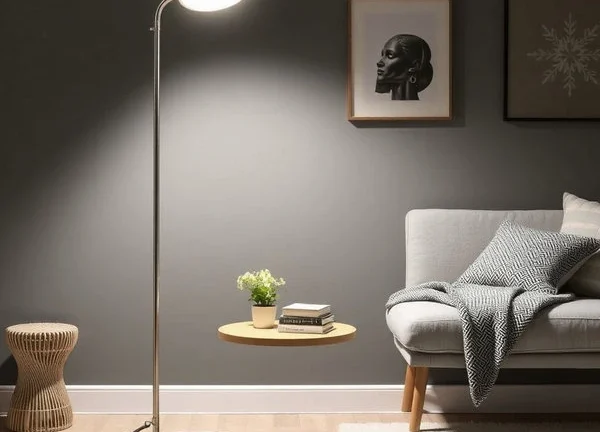
How to Choose the Best Uplight Lamp Floor for Your Home
Choosing the right uplight lamp floor depends on more than appearance. A good floor uplight lamp should match your room size, lighting needs, interior style, and daily activities.
Before purchasing, consider:
- Brightness level
- Bulb type
- Color temperature
- Lamp height
- Design style
- Energy efficiency
- Smart features
- Placement location
The best uplight lamp floor should provide comfortable indirect lighting, match your room size, offer adjustable brightness, use energy-efficient LED technology, and fit your interior design style. Consider brightness, color temperature, height, and placement before buying.
Key Features to Look for in a Floor Uplight Lamp
1. Brightness and Lumens
Brightness is one of the most important factors.
Many shoppers focus on bulb watts, but lumens provide a better measurement of light output.
General recommendations:
Small Bedroom
Recommended:
- 500–1,000 lumens
Best for:
- Relaxing
- Soft background lighting
Medium Living Room
Recommended:
- 1,000–2,000 lumens
Best for:
- General ambient lighting
- Evening activities
Large Open Space
Recommended:
- 2,000+ lumens
Best for:
- High ceilings
- Large family rooms
A good floor uplight lamp usually needs between 1,000 and 2,000 lumens for a medium-sized living room. Smaller rooms may need less brightness, while larger spaces with high ceilings may require higher lumen output.
2. Color Temperature Selection
Color temperature affects the mood of your room.
It is measured in Kelvin (K).
Warm White (2700K–3000K)
Best for:
- Bedrooms
- Living rooms
- Relaxing spaces
Creates:
- Cozy atmosphere
- Comfortable evening lighting
Neutral White (3500K–4000K)
Best for:
- Offices
- Kitchens
- Multi-purpose rooms
Creates:
- Clean and balanced illumination
Cool White (5000K+)
Best for:
- Workspaces
- Task-focused environments
Less commonly used for decorative uplighting.
Professional Tip #4: Choose Warm White for Living Spaces
Most residential interiors benefit from warm white uplight lamps because they create a relaxing environment and complement wood, fabric, and neutral décor.
3. LED vs Traditional Uplight Floor Lamps
Today, LED technology dominates the floor lighting market.
LED Uplight Floor Lamp Benefits
Advantages:
- Lower electricity usage
- Longer lifespan
- Less heat production
- Adjustable brightness options
- Compact designs
LED lamps can last:
- 15,000–50,000 hours depending on quality
Traditional Bulb Uplight Lamps
Traditional models may use:
- Halogen bulbs
- Incandescent bulbs
Advantages:
- Familiar replacement process
- Warm traditional appearance
Disadvantages:
- Higher energy consumption
- More heat
- Shorter lifespan
LED uplight floor lamps are usually the best choice because they consume less energy, produce less heat, last longer, and often include adjustable lighting features compared with traditional bulb models.
4. Adjustable Brightness Features
A dimmable uplight lamp provides more flexibility.
Benefits:
Morning:
- Brighter light for activity
Evening:
- Softer light for relaxation
Night:
- Low brightness for comfort
Useful features:
- Touch controls
- Remote control
- Smartphone control
- Voice assistant compatibility
5. Lamp Height and Size
Height affects how light spreads.
Typical floor uplight lamp heights:
- 60–72 inches
Higher lamps:
- Spread light farther
- Work well in large rooms
Shorter lamps:
- Fit smaller spaces
Consider:
- Ceiling height
- Furniture placement
- Room proportions
Professional Tip #5: Match Lamp Height to Ceiling Height
For standard 8–9 foot ceilings:
A medium or tall uplight floor lamp usually works well.
For high ceilings:
Choose:
- Taller lamps
- Higher lumen output
This prevents the room from feeling under-lit.
Best Uplight Lamp Floor Options by Room Type
1. Living Room
A living room uplight lamp should create comfortable background lighting.
Ideal features:
- Warm LED light
- Dimmable function
- Modern design
Placement ideas:
- Behind a sofa
- Beside a bookshelf
- Near a corner
2. Bedroom
Bedroom lighting should encourage relaxation.
Recommended:
- Soft warm light
- Low-glare shade
- Adjustable brightness
Avoid:
- Extremely bright cool lighting
3. Home Office
A workspace needs balanced lighting.
Combine:
- Floor uplight lamp
- Desk lamp
- Natural daylight
Benefits:
- Reduced harsh shadows
- More comfortable environment
4. Dining Area
An uplight lamp can add atmosphere.
Use it for:
- Dinner parties
- Evening meals
- Decorative lighting
5. Entryway
A floor uplight lamp can make entrances feel welcoming.
Benefits:
- Adds warmth
- Improves visibility
- Creates a stylish first impression
6. Apartment Living Spaces
Small apartments benefit from uplighting because it creates the illusion of more space.
Recommended:
- Slim LED uplight lamp
- Corner placement
- Minimal design
7. Gaming Room
Gaming spaces often need layered lighting.
Use:
- RGB smart uplight lamps
- Adjustable colors
- Ambient background light
8. Reading Corner
A reading area needs both comfort and visibility.
Combine:
- Uplight ambient lamp
- Directional reading light
9. Studio or Creative Space
Artists and creators can use uplighting to:
- Reduce harsh shadows
- Create mood lighting
- Improve background appearance
10. Rental Homes
Renters often prefer floor lamps because they require:
- No installation
- No wall modifications
- Easy relocation
Professional Tip #6: Use Multiple Light Sources Instead of One Bright Lamp
A professional lighting setup usually combines:
- Ceiling lighting
- Floor uplight lamp
- Table lamps
- Accent lighting
This creates a more comfortable environment.
Uplight Lamp Floor Placement Ideas
Placement dramatically affects performance.
Corner Placement
Best for:
- Living rooms
- Bedrooms
- Apartments
Benefits:
- Maximizes reflected light
- Removes dark corners
Behind Furniture
Examples:
- Behind sofas
- Behind chairs
Benefits:
- Creates depth
- Adds visual interest
Near Decorative Features
Use uplighting to highlight:
- Artwork
- Plants
- Shelves
- Architectural details
Professional Tip #7: Use Walls as Natural Reflectors
Light-colored walls reflect more light than dark walls.
If your room has:
White walls:
→ Stronger reflected illumination
Dark walls:
→ Consider a brighter lamp
Smart Uplight Floor Lamps and Modern Features
Technology has transformed traditional floor lamps.
Modern smart uplight lamps may include:
Voice Control
Compatible systems:
- Smart assistants
- Home automation platforms
Benefits:
- Hands-free operation
- Easy brightness adjustment
App Control
Features:
- Scheduling
- Remote control
- Lighting scenes
Color Changing Options
Some LED models offer:
- RGB colors
- Mood settings
- Entertainment lighting
Energy Saving Features
Smart functions may include:
- Timers
- Automatic schedules
- Low-energy modes
Professional Tip #8: Choose Smart Features Only If You Will Use Them
Smart lighting can be convenient, but unnecessary features may increase cost.
Prioritize:
- Quality light output
- Durability
- Comfortable brightness
before extra technology.
Common Buying Mistakes to Avoid
Mistake 1: Choosing Style Over Function
A beautiful lamp is not useful if:
- It is too dim
- It creates glare
- It does not fit your space
Mistake 2: Ignoring Room Size
A small lamp may disappear in a large room.
A large lamp may overwhelm a small apartment.
Mistake 3: Buying the Wrong Color Temperature
Cool white lighting may feel uncomfortable in relaxing spaces.
Mistake 4: Forgetting Bulb Replacement Options
Check:
- Bulb availability
- LED lifespan
- Replacement costs
Mistake 5: Placing the Lamp Incorrectly
Poor placement can reduce lighting effectiveness.
Always consider:
- Ceiling reflection
- Wall distance
- Furniture layout
