Tree Uplighting: The Ultimate Guide to Beautiful Outdoor Landscape Lighting
Trees are one of the most valuable features in any outdoor space. They provide shade, privacy, natural beauty, and architectural character. However, after sunset, many beautiful trees disappear into darkness.
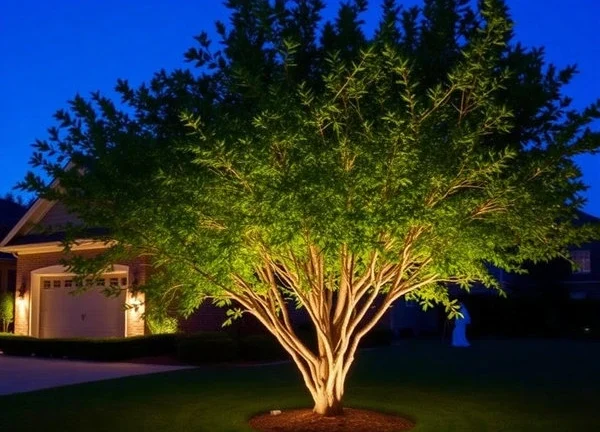
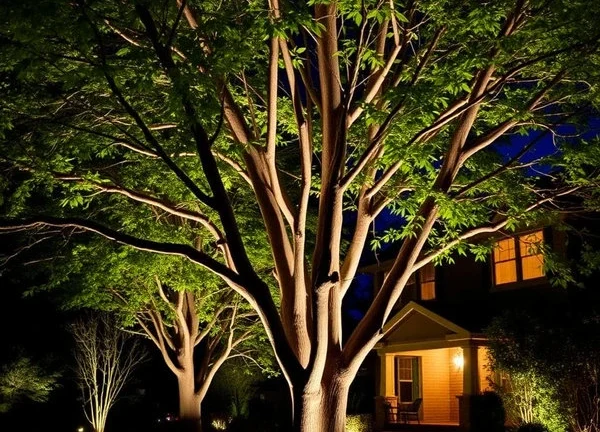
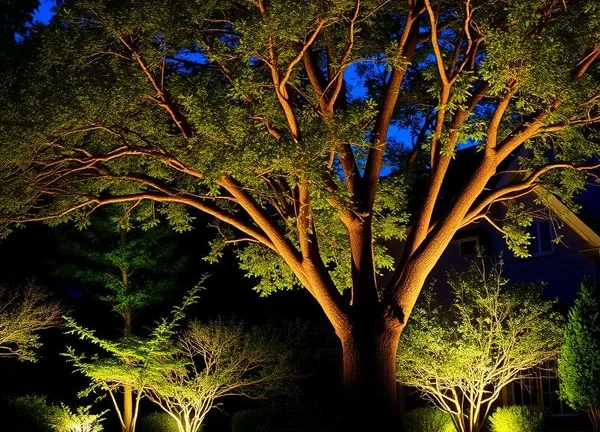
Tree uplighting is one of the most effective landscape lighting techniques for highlighting trees after dark. By placing lights at the base of trees and directing beams upward, homeowners can create dramatic shadows, emphasize tree shapes, and transform ordinary yards into elegant outdoor environments.
Unlike basic outdoor lighting that simply illuminates pathways or entrances, tree uplighting focuses on creating depth, dimension, and visual interest.
Whether you have:
- Large mature trees
- Small ornamental trees
- Palm trees
- Backyard landscaping
- Front yard features
the right uplighting design can dramatically improve your outdoor appearance.
Tree uplighting is a landscape lighting technique that places outdoor lights near the base of trees and aims the light upward into the branches and canopy. It highlights tree structure, improves nighttime visibility, enhances curb appeal, and creates a dramatic outdoor atmosphere.
This complete guide explains everything about tree uplighting, including:
- How tree uplighting works
- Best lighting fixtures
- LED options
- Placement techniques
- Installation tips
- Design ideas
- Common mistakes
- Frequently asked questions
What Is Tree Uplighting?
Tree uplighting is an outdoor lighting method where fixtures are installed below or near trees and pointed upward.
The purpose is to emphasize:
- Tree trunks
- Branch structures
- Leaves
- Canopies
- Surrounding landscape features
Instead of lighting the ground, uplighting directs attention upward.
The result is a layered nighttime landscape with:
- Depth
- Texture
- Shadows
- Architectural beauty
How Does Tree Uplighting Work?
The basic concept is simple:
- A landscape light is positioned near the tree base.
- The beam is aimed upward.
- Light travels through the trunk and branches.
- The tree becomes a visible nighttime feature.
Professional landscape designers often use multiple fixtures to create balanced illumination.
For example:
A large oak tree may require:
- One narrow spotlight for the trunk
- Several wider beams for the canopy
- Multiple angles for natural shadows
Tree uplighting works by placing directional outdoor lights below trees and aiming the beams upward toward the trunk and canopy. This technique creates dramatic illumination, improves landscape appearance, and makes trees visible as focal points at night.
Why Is Tree Uplighting Popular in Landscape Design?
Outdoor lighting has evolved beyond simple security lighting.
Today, homeowners use lighting to create outdoor experiences.
Tree uplighting provides several benefits.
Benefits include:
- More attractive front yards
- Improved property appearance
- Elegant nighttime presentation
A home with professional tree lighting often feels more welcoming.
2. Creates a Luxury Outdoor Atmosphere
Many upscale homes, hotels, and gardens use tree uplighting because it creates a high-end appearance.
The technique is commonly used in:
- Resort landscapes
- Estate properties
- Modern gardens
- Outdoor entertainment areas
3. Adds Depth to Outdoor Spaces
Without lighting, yards can appear flat after dark.
Tree uplighting adds:
- Vertical dimension
- Shadows
- Visual layers
A single illuminated tree can become the centerpiece of an entire landscape.
4. Improves Nighttime Safety
Although tree uplighting is mainly decorative, it can also improve visibility.
Benefits:
- Reduces dark areas
- Improves outdoor navigation
- Makes yards feel safer
5. Highlights Valuable Landscape Features
Trees are natural architectural elements.
Lighting can emphasize:
- Unique bark patterns
- Interesting branches
- Seasonal foliage
- Garden designs
Professional Tip #1: Light the Tree, Not Just the Ground
A common mistake is placing outdoor lights without considering what they highlight.
The goal of tree uplighting is not simply adding brightness.
The goal is creating:
- Shape
- Texture
- Contrast
- Depth
Best Types of Lights for Tree Uplighting
Choosing the correct fixture is essential for successful outdoor tree lighting.
1. LED Tree Uplights
LED fixtures are the most popular option for modern landscape lighting.
Advantages:
- Energy efficient
- Long lifespan
- Low maintenance
- Weather resistant
- Available in different beam angles
LED tree uplights are ideal for:
- Residential landscapes
- Commercial properties
- Large gardens
2. Landscape Spotlights
Spotlights provide focused beams.
Best for:
- Tall trees
- Large trunks
- Specific branches
They create dramatic effects.
3. Flood Lights
Flood lights produce wider coverage.
Best for:
- Large canopy trees
- Multiple trees
- Open areas
4. Well Lights
Well lights are installed in the ground.
Advantages:
- Hidden appearance
- Clean design
- Minimal visual distraction
Popular for:
- Modern landscapes
- High-end gardens
5. Solar Tree Uplights
Solar-powered options are convenient.
Advantages:
- No wiring
- Easy installation
- Low maintenance
Limitations:
- Lower brightness
- Weather dependency
- Less consistent performance
The best lights for tree uplighting are usually LED landscape spotlights because they provide strong brightness, adjustable beam angles, energy efficiency, and long-term outdoor durability. The right fixture depends on tree size, height, and desired lighting effect.
Choosing the Right Color Temperature for Tree Uplighting
Color temperature affects the mood of your landscape.
Warm White (2700K–3000K)
Most popular choice.
Creates:
- Natural appearance
- Cozy atmosphere
- Elegant outdoor lighting
Best for:
- Residential yards
- Gardens
- Patios
Neutral White (3500K–4000K)
Creates:
- Cleaner appearance
- Modern style
Best for:
- Contemporary landscapes
- Commercial spaces
Cool White (5000K+)
Usually less common.
Can create:
- Dramatic effects
- Modern appearance
However, it may look less natural on plants and trees.
Professional Tip #2: Use Warm White for Natural Tree Lighting
Trees naturally look best under warmer tones because warm light enhances:
- Bark texture
- Leaf color
- Natural landscape tones
Tree Uplighting Design Techniques
Professional lighting designers use several methods to create different effects.
1. Silhouetting
This technique places light behind the tree.
Effect:
- Creates a dramatic outline
- Highlights tree shape
Best for:
- Unique trees
- Architectural landscapes
2. Moonlighting
Lights are installed high in trees and shine downward.
Effect:
- Mimics natural moonlight
- Creates soft shadows
3. Cross Lighting
Multiple lights shine from different directions.
Benefits:
- More natural appearance
- Reduced harsh shadows
4. Grazing
Light is placed close to the trunk.
Effect:
- Highlights bark texture
- Creates dramatic vertical lines
Professional Tip #3: Avoid Lighting Every Tree the Same Way
Different trees have different shapes.
A large oak, palm tree, and flowering tree should not use identical lighting techniques.
The best tree uplighting technique depends on the tree type. Spotlighting works well for tall trees, grazing highlights textured trunks, cross lighting creates balanced illumination, and silhouetting emphasizes unique tree shapes.